Australian Capital Territory Smoke Alarm Legislation 2026
Smoke alarm requirements in the ACT vary depending on the property’s age, whether it has undergone building work and whether it is rented.
ACT Fire & Rescue recommends photoelectric, hardwired and interconnected alarms wherever possible. These are fire safety recommendations and may go beyond the minimum legal requirements for your property.
Smoke alarms installed in leased residential properties must:
Comply with AS3786:2014 and be functional.
Be installed on or near the ceiling on every storey.
Be placed in hallways associated with bedrooms, or between sleeping areas and the rest of the property where no hallway exists.
Be battery-operated or hardwired, subject to any additional building requirements.
The landlord must install and maintain the alarms and ensure they are working at the start of the tenancy.
ACT Fire & Rescue Recommendations
ACT Fire & Rescue recommends that you:
Test alarms monthly.
Vacuum alarms every six months.
Replace removable lead or alkaline batteries every 12 months.
Replace the complete alarm every 10 years.
Choose photoelectric, hardwired and interconnected alarms where possible.
Standards note: ACT rental legislation requires smoke alarms to comply with AS3786:2014. Confirm the requirements applying to new installations or building work with a licensed electrician or building certifier.
Who the ACT Requirements Apply To and When
ACT smoke alarm requirements apply to residential properties across Canberra and the wider Territory. The requirements vary depending on when the property was built, whether it has been renovated or extended, and whether it is rented.
ACT Fire & Rescue advises that homes built before November 1994 may use either battery-operated or hardwired smoke alarms.
Any alarm installed in a rental property must still meet the current rental requirements, including compliance with AS3786:2014, correct placement and being functional at the start of the tenancy.
ACT Fire & Rescue states that hardwired smoke alarms are legally required in houses built after 1 November 1994. These alarms connect to the property’s 240V electrical supply and include a secondary backup power source. Installation and replacement should always be completed by a licensed electrician.
Although some national guides use 1 August 1997, ACT Fire & Rescue uses 1 November 1994 as the relevant date for hardwired smoke alarms in ACT homes.
New homes, major renovations, and extensions in Canberra must comply with the National Construction Code and the ACT building requirements that apply to their approval. These may include mains-powered, interconnected alarms where more than one alarm is required, and any fitted alarm must comply with AS3786:2014.
Houses, apartments and other premises rented under a residential tenancy or occupancy agreement must have the required smoke alarms installed and functional at the start of the tenancy.
Where Smoke Alarms Must Be Installed in ACT Properties
For an ACT rental property, install smoke alarms:
On or near the ceiling.
On every storey containing a bedroom.
In every corridor or hallway associated with a bedroom.
Between each bedroom area and the remainder of the property, where there is no hallway.
On every storey that does not contain a bedroom.
Follow the manufacturer’s instructions for ceiling clearances and keep alarms away from areas where steam, cooking fumes or strong airflow may cause nuisance activations. Do not install an alarm directly beside an air-conditioning vent, ceiling fan or cooking appliance.
The precise number and location of alarms may vary according to the layout and building classification. A licensed electrician or building certifier can confirm the requirements for a particular property.
ACT Rental Properties: Landlord and Tenant Obligations
The Residential Tenancies Act 1997 and Residential Tenancies Regulation 1998 divide responsibility between the landlord and tenant.
Landlord or Property Manager Responsibilities
Landlords must:
Install and maintain compliant smoke alarms in every required location.
Ensure the alarms are functional at the start of the tenancy.
Repair or replace alarms that are faulty or expired.
Use a licensed electrician for hardwired alarm work.
Tenant Responsibilities
During the tenancy, you must:
Check the smoke alarms regularly.
Replace the battery whenever necessary if the alarm has a replaceable battery.
Report a faulty, damaged or expired alarm to the landlord or property manager.
Testing and Maintaining Smoke Alarms in the ACT
ACT Fire & Rescue recommends the following maintenance schedule for Canberra homes:
Every Month
Press and hold the test button for at least five seconds, or follow the manufacturer’s testing instructions.
Every Six Months
Vacuum around the alarm to remove dust and debris that may affect the sensor or cause nuisance alarms.
Every 12 Months
Replace lead or alkaline batteries. This does not apply to alarms with a sealed, non-replaceable 10-year battery.
Every 10 Years
Replace the complete smoke alarm, regardless of whether it is battery-operated or hardwired. Check the manufacture or replacement date printed on the alarm. Replace an alarm earlier if it is faulty, damaged, or the manufacturer specifies a shorter service life.
Photoelectric vs Ionisation Smoke Alarms in the ACT
ACT rental legislation requires alarms to comply with AS3786:2014, but does not universally require photoelectric technology. ACT Fire & Rescue recommends replacing expired or faulty ionisation alarms with photoelectric alarms, which generally respond more effectively to slow, smouldering fires and are less prone to nuisance activations from cooking aerosols.
Do You Need Interconnected Smoke Alarms in the ACT?
ACT Fire & Rescue states that multi-level homes must have smoke alarms on each level and that the alarms must be interconnected. It also recommends interconnected alarms wherever possible.
Requirements for other properties may depend on the applicable National Construction Code and building approval. Interconnection can be achieved through compatible wired or wireless systems, subject to the product and installation requirements.
Interconnection may be:
Wired between compatible hardwired alarms.
Wireless communication between compatible radio-linked alarms.
A combination of hardwired and wireless alarms using approved bases or modules.
A licensed electrician or building certifier should confirm whether interconnection is legally required for your building approval or proposed work.
Selling a Property in the ACT
The ACT does not currently require a separate smoke alarm compliance certificate as a standard residential sale document.
Before listing or settlement:
Test each alarm.
Check its manufacture or replacement date.
Replace alarms that are faulty or more than 10 years old.
Have hardwired alarms assessed by a licensed electrician where necessary.
Speak with your conveyancer or building inspector if you are unsure whether any property-specific requirements apply.
ACT Regulatory Authorities
ACT Emergency Services Agency and ACT Fire & Rescue
Provides public fire safety advice, including recommendations for alarm type, testing, cleaning, replacement and interconnection.
Access Canberra
Oversees electrical licensing, electrical inspections and aspects of building compliance in the ACT. Questions about hardwired installations or electrical work can be directed to Access Canberra.
ACT Legislation Register
Publishes the Residential Tenancies Act 1997, Residential Tenancies Regulation 1998 and other current ACT legislation.
ACT Planning
Provides information about the National Construction Code and ACT building requirements.
ACT Smoke Alarm Compliance Checklist
Is there a functional alarm on every storey?
Are alarms correctly positioned near bedrooms?
Do the alarms comply with AS3786:2014?
Are they hardwired or interconnected where required?
Are they less than 10 years old and regularly tested?
For a rental, were they working at the start of the tenancy?
Photoelectric alarms are recommended by ACT Fire & Rescue, but they are not a universal legal requirement for every existing ACT property.
Rental property alarms must comply with AS3786:2014 and meet the installation requirements in the Residential Tenancies Regulation. When replacing an expired or faulty ionisation alarm, ACT Fire & Rescue recommends choosing a photoelectric model.
The landlord must install and maintain the alarms and ensure they are functional at the start of the tenancy.
During the tenancy, the tenant is responsible for checking the alarms and replacing a removable battery when necessary. The tenant should report any fault to the landlord or property manager promptly.
ACT Fire & Rescue recommends testing smoke alarms every month.
The alarm should also be vacuumed every 6 months, and batteries should be replaced every 12 months. The current ACT rental legislation does not specify a separate annual professional testing requirement.
ACT Fire & Rescue recommends replacing every smoke alarm after 10 years, regardless of its power source.
Replace an alarm sooner if it becomes faulty or damaged, or if it reaches an earlier expiry date specified by the manufacturer. A hardwired alarm must be replaced with another hardwired alarm.
ACT Fire & Rescue states that multi-level homes must have smoke alarms on each level and that the alarms must be interconnected.
For other properties, interconnection requirements may depend on the applicable National Construction Code and building approval. ACT Fire & Rescue recommends interconnected alarms wherever possible.
There is no separate ACT smoke alarm compliance certificate included in the standard residential sale documents.
You should still ensure that existing alarms are functional and meet the requirements that apply to the property. Speak with your conveyancer or building inspector if you are unsure about a particular sale.
Information reviewed in June 2026. Requirements and referenced standards may change. Check the current ACT Government, ACT legislation and National Construction Code information before undertaking building or electrical work.
Follow these links for more information on the Australian Capital Territory Smoke Alarm Legislation:
Hardwired smoke alarms connect to the property’s 240V electrical supply and include a secondary backup power source. They are required for homes and building work where the applicable ACT building requirements specify mains-powered alarms.
A licensed electrician must install or replace a hardwired alarm.
LIF6800
Photoelectric smoke alarm
Complies with AS3786:2014
240V with 9v Backup battery
Interconnectable with up to 24 other smoke alarms and ancillary products
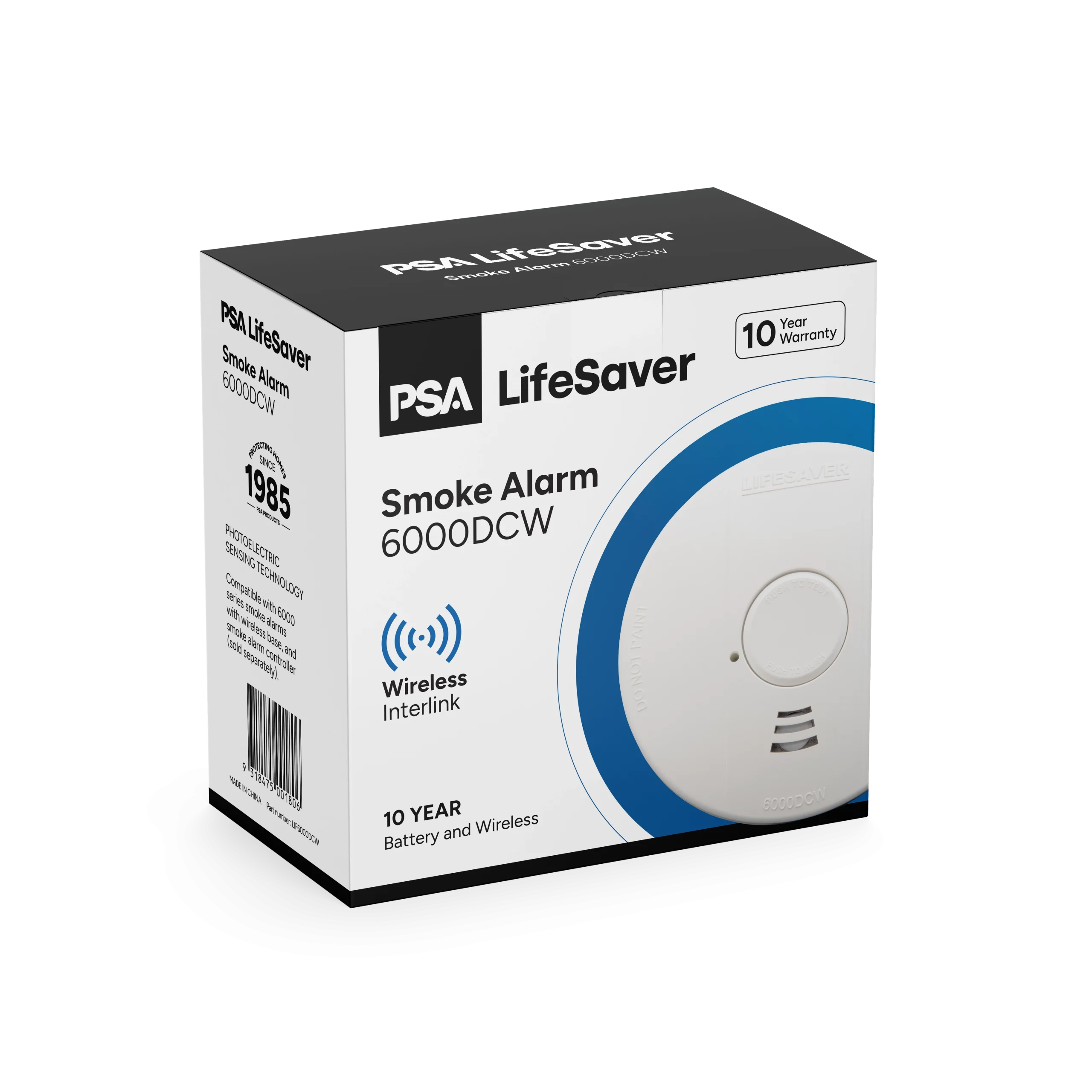
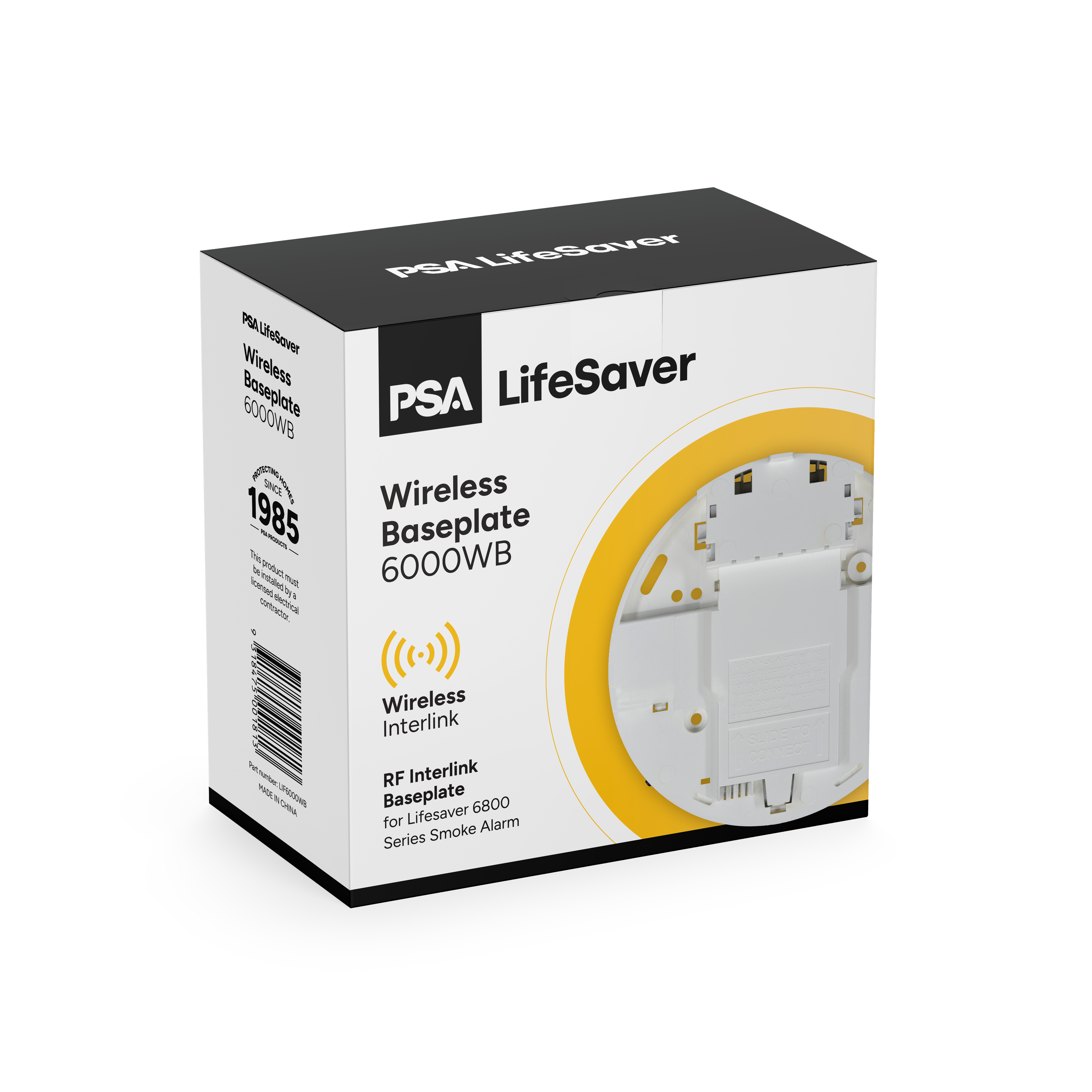
Can use wireless base (LIF6000WB) and wireless module (LIF6000WIRM) for wireless solutions.