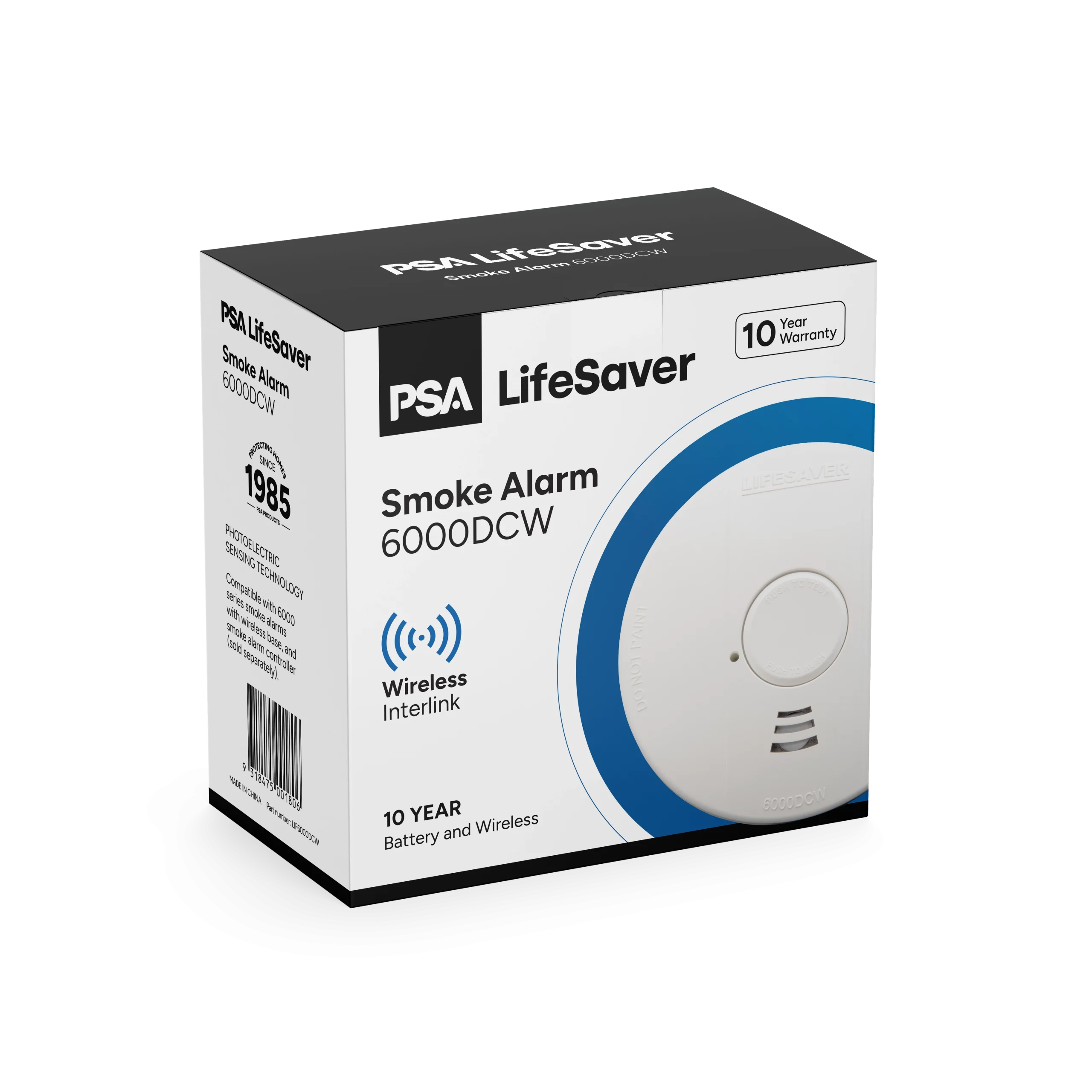
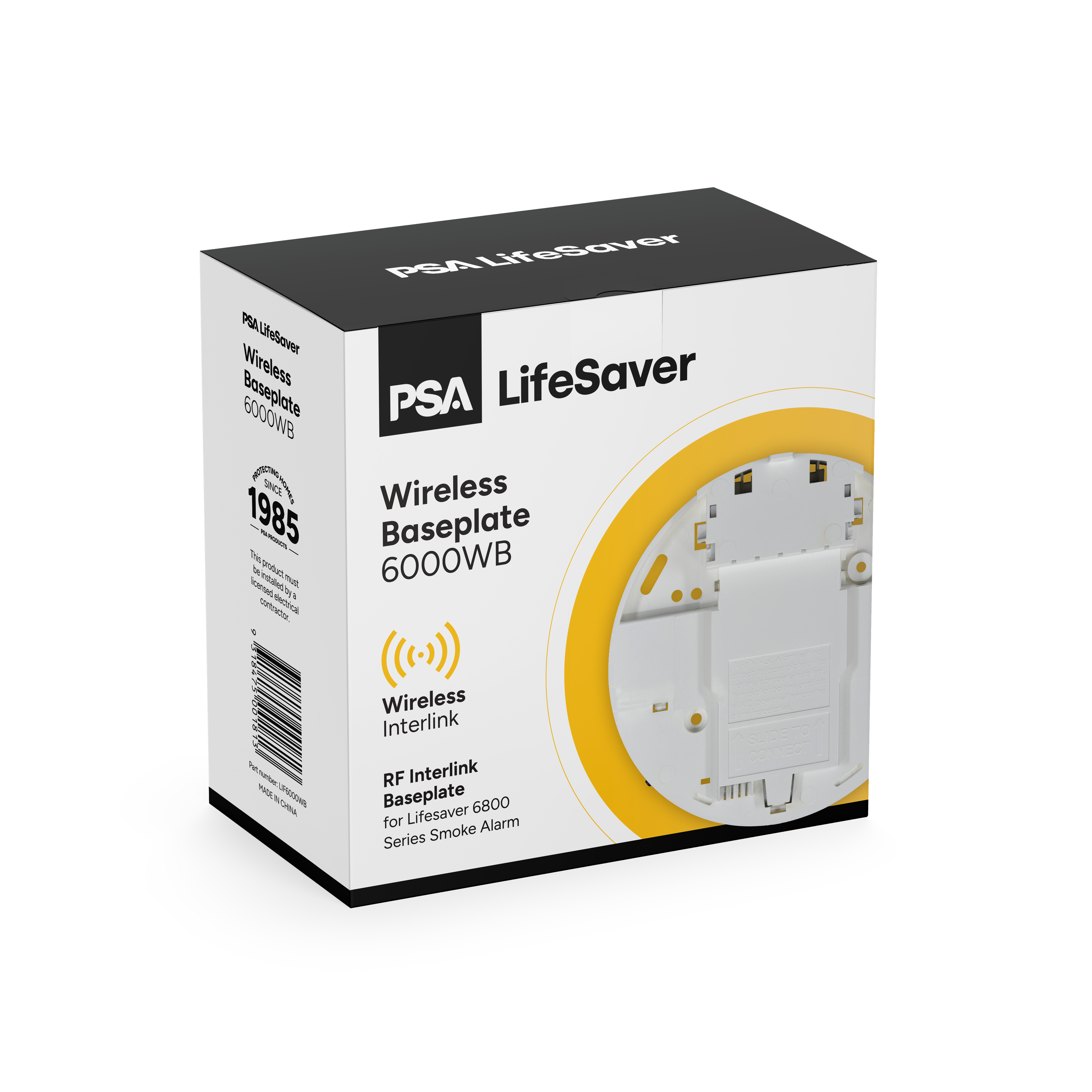
Smoke alarms are a legal requirement in New South Wales and must be installed correctly and kept in working order. In NSW, this applies to homes, apartments, rental properties, relocatable homes, caravans, camper-vans and other residential buildings where people sleep.
As a minimum, there must be at least one working smoke alarm on every level of the home, even if there are no bedrooms on that level. Smoke alarms must comply with Australian Standard AS 3786, in line with Australian standard smoke alarms NSW requirements.
Below is a practical guide to what smoke alarm compliance means in NSW, where alarms should be installed, what rental properties need to account for, and which PSA products may suit different property types.
Here are the main smoke alarm regulations NSW homeowners and landlords should know:
Basic Requirements
- Smoke alarms are required in residential buildings where people sleep.
- At least one working smoke alarm must be installed on every level.
- Smoke alarms must be installed so they can warn people in sleeping areas.
- Smoke alarms must comply with Australian Standard AS 3786.
Rental Property Requirements
- Landlords must ensure smoke alarms are working and cannot pass that responsibility to tenants through a tenancy agreement.
- Faulty alarms must be repaired or replaced within 2 business days of the landlord or agent becoming aware of the issue.
- Smoke alarms must be replaced within 10 years of manufacture, or earlier if required by the manufacturer.
New Homes & Building Work
- Where more than one alarm is required, alarms will generally need to be interconnected.
- In many cases, alarms will also need to be mains-powered where mains power is available.
Caravans & Camper-Vans
At least one working smoke alarm is required inside the van where the bed is. If people sleep in the annex, an alarm is required there as well. These alarms must have a hush button.
Guest Houses & Boarding Houses
Class 1b buildings, including guest houses and boarding houses, must have a smoke alarm that is mains-powered or powered by a non-removable 10-year lithium battery.
Garages In Certain New Builds
In some attached private garages or garage-top dwellings, a heat alarm may be required. It should be installed on or near the ceiling, comply with AS 1603.3, be mains-powered, and be interconnected to the dwelling’s smoke alarms.
Note: This is a general guide only. Requirements can vary depending on the property’s age and layout, as well as whether it has been renovated or extended. If you are unsure, speak with a licensed electrician or fire safety professional.
NSW smoke alarm laws apply to owner-occupied homes, rental properties, apartments, relocatable homes, caravans, camper-vans, and other residential buildings where people sleep.
Smoke alarms should be installed so they provide early warning to people in sleeping areas. In practical terms:
For better protection, it is also recommended to go beyond the minimum by installing extra alarms, including in bedrooms where appropriate.
Follow the relevant NSW government guidance for more information on smoke alarm requirements in New South Wales.