Smoke alarms are a legal requirement in every South Australian home, and they need to be installed and working. What you need can depend on when your house was approved (built) and whether the property has changed ownership.

Below is a practical guide to what ‘compliant’ means in South Australia, where to install alarms, what features to consider, and how PSA can help you choose the right products.

Shop Interconnected Photoelectric Alarms
Talk to an Expert

What The South Australian Legislation Requires

Here are the key requirements South Australian homeowners and landlords should know:

  • Smoke alarms must be installed in all South Australian homes and kept in working order.
  • Homeowners and residential landlords are responsible for making sure smoke alarms are working and installed correctly.
  • Smoke alarms must comply with Australian Standard AS 3786 (as indicated on the packaging).
  • If you don’t have smoke alarms installed, you may face fines of up to $750.
  • Key date-based rules apply for 1995 (build approval), 1998 (change of ownership) and 2014 (interconnection); explained below.

Note: This is a general guide. Requirements can vary based on your home’s construction and any renovations or extensions. If you’re unsure, speak with a qualified electrician or fire safety professional.

Who It Applies To & When

South Australian smoke alarm requirements apply to residential properties (including houses and units). The minimum requirements often depend on when the property was bought, plus whether it’s a newer home or has had building work done.

  • Bought before 1 February 1998: you must fit at least a replaceable battery-powered smoke alarm.
  • Bought from 1 February 1998: you have 6 months from the date of title transfer to fit the correct number of smoke alarms. They can be either:
  • 240V mains-powered, or
  • 10-year life sealed battery (non-replaceable, non-removable, permanently connected).
  • Built/approved from 1 January 1995: smoke alarms must be 240V mains-powered (unless the dwelling isn’t connected to mains power). Battery back-up is recommended.
  • From 1 May 2014: new dwellings (and some additions/extensions) require interconnected smoke alarms so when one activates, they all sound.

Where Smoke Alarms Must Be Installed In SA

Alarms should be placed so they give reasonable warning to people in sleeping areas. Depending on your home’s size and layout, you may need more than one alarm.

A practical way to think about placement:

  • Put an alarm where it will wake sleeping occupants (commonly near bedroom areas/hallways leading to bedrooms).

In multi-storey homes, at least one smoke alarm is typically needed on each storey (and interconnection is strongly recommended for faster warning throughout the house).

For the best protection, the SA Metropolitan Fire Service recommends photoelectric alarms, ideally hard-wired and interconnected, to provide the earliest possible warning.

Roles & Responsibilities (Owner, Landlord, Tenant)

Owner / Occupier

  • Make sure smoke alarms are installed correctly and working.

Keep up with basic maintenance (see below), and replace alarms when they reach end-of-life (often around 10 years).

Rental Provider (Landlord / Agent)

  • All rental properties must have a working smoke alarm installed, and landlords should check that alarms are working during routine inspections.

SA fire service guidance also notes that the owner is responsible for installing working smoke alarms in rented homes and for ensuring they’re maintained (with these responsibilities often clarified in the lease).

Renter (Tenant)

  • Report any faults as soon as possible so the alarm can be repaired or replaced. (Practically, the sooner it’s reported, the safer everyone is.)

Don’t tamper with alarms (for example, removing batteries or turning off the unit).

A Quick Checklist (Smoke Alarm Compliance SA)

  • Do you have at least one working smoke alarm installed?
  • Does the alarm comply with AS 3786?
  • Did you buy the property from 1 February 1998 (and fit compliant alarms within 6 months of title transfer)?
  • Is the home built/approved from 1 January 1995 (240V mains-powered requirement unless not connected)?
  • Is it a new build, or an addition/extension from 1 May 2014 that requires interconnection?
  • Are you maintaining the alarms properly (testing/cleaning/expiry checks)?

FAQ

From 1 May 2014, smoke alarms in new dwellings must be interconnected. For extensions/additions that require more than one alarm, the alarms within the new work must be interconnected (even if they don’t have to connect to older alarms in the existing home).

All rental properties must have a working smoke alarm installed, and landlords should check that alarms are working during routine inspections.

Homes approved from 1 January 1995 require 240V mains-powered smoke alarms unless the house isn’t connected to mains power.

If you bought the property on or after 1 February 1998, you have 6 months from the date of title transfer to install the correct number of smoke alarms – either 240V mains-powered or 10-year sealed-battery options.

SA fire service guidance recommends testing monthly, cleaning at least every six months, and replacing alarms at end-of-life (commonly around 10 years, depending on the alarm).

Commercial requirements are generally assessed under the National Construction Code (NCC) and can require broader fire detection or alarm systems. For commercial compliance, speak with a building surveyor or fire safety professional.

Follow this link for more information on the South Australian legislation.

How PSA Can Help

Make compliance easier with PSA’s range of smoke alarms and accessories, designed for various South Australian property types.

Compliant Protection

Our photoelectric alarms meet AS 3786:2014 and can be interlinked, so if one activates, they all sound.

Options For Every Home

Choose between 240 V mains-powered alarms or wireless, sealed, 10-year battery fire alarms, depending on the needs of your home.

Simple to Use/Install

Easy test, hush-and-locate functions, plus accessories that make neat installs possible (even on tricky ceilings).

Scales To Your Home

PSA systems are designed to interlink up to 24 alarms, so you can cover bedrooms, connecting hallways and each storey as needed.

Clear Guidance, Local Help

Straightforward labelling, practical installation tips and friendly Australian support when you need it.

Hard-wired Smoke Alarms

For homes approved from 1 January 1995, South Australian requirements generally call for 240V mains-powered smoke alarms (unless the dwelling isn’t connected to mains). A qualified electrician must install hard-wired smoke alarms.

LIF6800

  • Photoelectric smoke alarm
  • Complies with AS3786:2014
  • 240V with 9v Backup battery
  • Interconnectable with up to 24 other smoke alarms and ancillary products
  • Can use wireless base (LIF6000WB) and wireless module (LIF6000WIRM) for wireless solutions.
Learn More

LIF6800RL

  • Photoelectric smoke alarm
  • Complies with AS3786:2014
  • 240V with 10-year rechargeable lithium backup battery
  • Interconnectable with up to 24 other smoke alarms and ancillary products
  • Can use wireless base (LIF6000WB) and wireless module (LIF6000WIRM) for wireless solutions
Learn More

HG3000

  • Photoelectric smoke alarm
  • Complies with AS3786:2014
  • 240V with 9v Backup battery
  • Interconnectable with up to 24 other HG3000 smoke alarms.
Learn More

LIF5800ACF

  • Photoelectric Smoke alarm
  • Complies with AS3786:2014
  • 240V with Sealed 10 year battery
  • Flush mounting design
Learn More

Get Compliant With PSA

Need one alarm or a complete interconnected setup for your home or rental? PSA helps South Australians stay compliant and protected. Shop online or contact our experts for practical advice.

10-Year Sealed Battery Smoke Alarms

If you bought the property on or after 1 February 1998, compliant options include 10-year sealed battery smoke alarms (as an alternative to 240V mains-powered alarms). These are also an option where the dwelling isn’t connected to mains power.

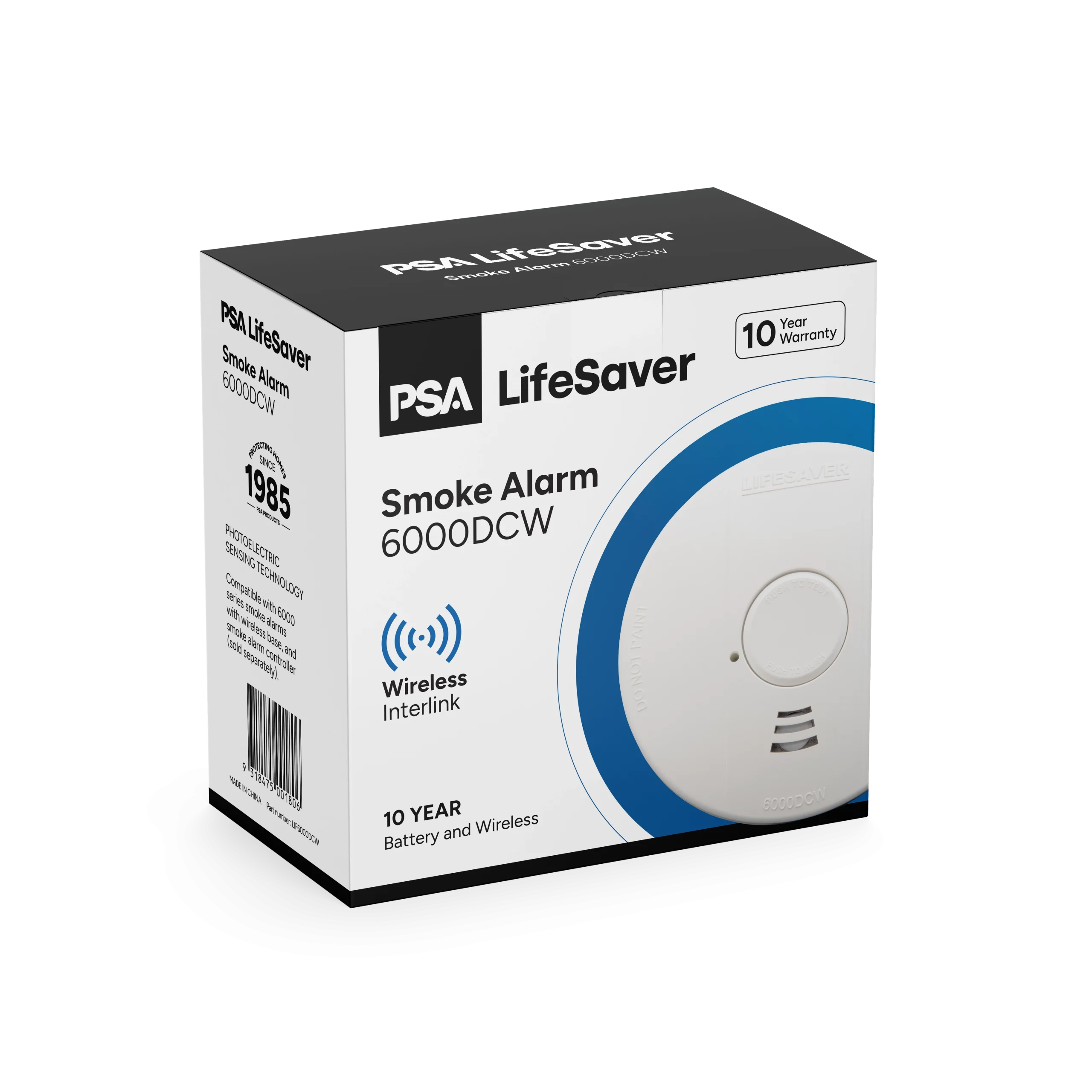
LIF6000DCW

  • Photoelectric smoke alarm.
  • Complies with AS3786:2014.
  • Sealed nonreplaceable 10-year lithium battery.
  • Interconnectable with up to 24 other wireless smoke alarm products.
Learn More

LIFPE10LP

  • Photoelectric Smoke alarm
  • Complies with AS386:2014
  • Sealed nonreplaceable 10-year lithium battery
  • Super flush award-winning design


Learn More

The following smoke alarms can be used in properties that were bought but haven’t had a title transfer before 1st of February 1998

LIFPE10LP

  • Photoelectric Smoke alarm
  • Complies with AS386:2014
  • Sealed nonreplaceable 10-year lithium battery
  • Super flush award-winning design


Learn More

LIF6000DCW

  • Photoelectric Design
  • Complies with AS3786:2014
  • 9V Battery Powered
Learn More

Replaceable Battery Smoke Alarms

If you bought the property before 1 February 1998, a replaceable battery-powered smoke alarm is the minimum requirement (provided it complies with AS 3786 and is installed correctly).

LIF6000DCW

  • Photoelectric smoke alarm.
  • Complies with AS3786:2014.
  • Sealed nonreplaceable 10-year lithium battery.
  • Interconnectable with up to 24 other wireless smoke alarm products.
Learn More

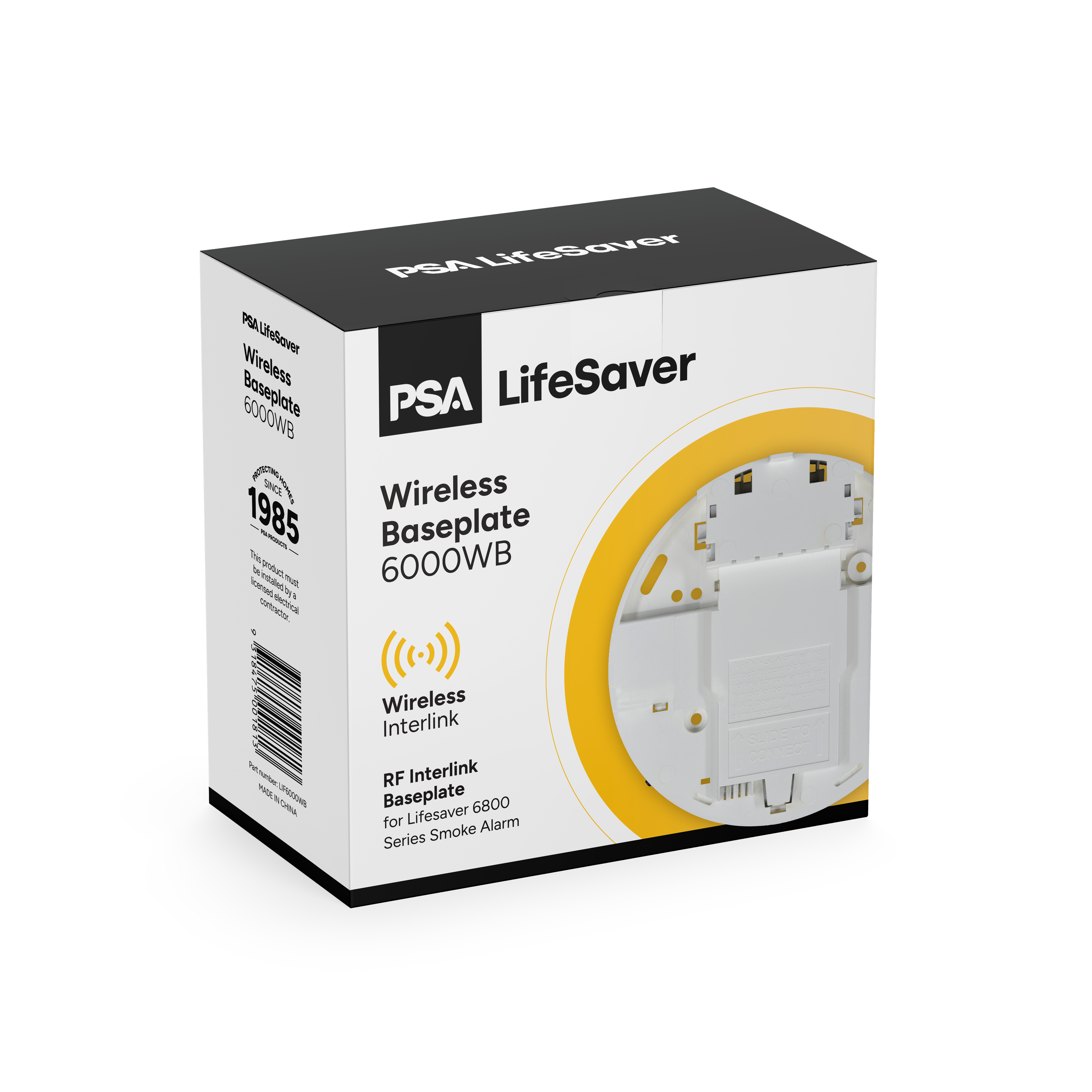
LIF6000WB

  • Allows LIF6800 and LIF6800RL smoke alarms to be wirelessly interconnected.
  • Powered by smoke alarm.
Learn More

LIF6000WIRM

  • Allows Lifesaver smoke alarms and other ancillary devices like heat alarms and carbon monoxide alarms to be wirelessly interconnected.
  • Powered by 240V mains.
Learn More

Wireless Controller

A handheld or wall-mount remote that lets you test, hush and locate alarms on a linked wireless network from one spot. Ideal for high ceilings, stairwells, and hard-to-reach installs. It helps simplify routine checks and supports consistent maintenance.

LIF6000THL

Smoke alarms are usually installed on ceilings and when they require to be tested or silenced, reaching a smoke alarm on the ceiling can make this difficult. Wireless controllers allow you to remotely silence and test wireless smoke alarms.


Learn More

Others (Heat & CO Alarms)

Round out your protection with devices that cover risks smoke alarms can’t – such as heat alarms and carbon monoxide alarms.

LIFHA240

  • Mains Powered heat detector designed to trigger at 57 degrees Celsius
  • 9VDC backup battery
  • Interconnectable with up to 24 other lifesaver smoke alarms and ancillary products


Learn More

LIFCO240

  • Mains powered carbon monoxide detector
  • Sealed lithium battery that will last the lifespan of the alarm (7 years)
  • Interconnectable with up to 24 other lifesaver smoke alarms and ancillary products.


Learn More